


Key Takeaways
| Aspect | Summary |
|---|---|
| Primary Uses | Household cleaning, disinfecting, pest deterrent, deodorising |
| Main Benefits | Antimicrobial properties, pleasant pine scent, versatile cleaning power |
| Safety | Generally safe for most surfaces but requires proper dilution |
| Pest Control | Effective against flies, cockroaches, and other insects |
| Cost | Affordable concentrated solution that lasts long when diluted |
| Availability | Available from specialist cleaning suppliers in Boksburg |
Understanding Pine Gel and Its Core Properties
Pine gel has become one of those cleaning products that you either love completely or haven’t discovered yet. We’ve been working with pine-based cleaning solutions for over fifteen years, and honestly, the versatility still surprises us sometimes. This concentrated liquid contains natural pine extracts combined with surfactants and antimicrobial agents that make it incredibly effective for multiple cleaning tasks.
The gel consistency means it clings to surfaces longer than regular liquid cleaners, giving the active ingredients more time to work their magic. Most people think pine gel is just another floor cleaner, but that’s like saying a Swiss Army knife is just a bottle opener. The concentrated formula means a little goes a long way – typically you’ll dilute it at ratios between 1:10 to 1:50 depending on what you’re cleaning.
What makes pine gel special is its dual action approach. The pine extracts provide natural antimicrobial properties whilst the fresh scent masks odours rather than just covering them up temporarily. We’ve noticed that surfaces cleaned with properly diluted pine gel stay fresher-smelling for longer compared to synthetic alternatives.
The chemical composition includes pine oil derivatives, which contain terpenes – natural compounds that insects absolutely hate. This isn’t just marketing fluff; there’s actual science behind why pine-based products work so well for pest deterrence. The gel base also means it adheres better to vertical surfaces, making it perfect for cleaning walls, tiles, and other upright areas where liquid cleaners would just run off immediately.
Quality pine gel products typically contain between 10-30% pine oil content, with higher concentrations being more effective but requiring more careful dilution. The beauty lies in its simplicity – it’s basically nature’s own cleaning solution enhanced with modern surfactant technology.
What are the benefits of pine tree gel?
Pine tree gel offers a surprising range of benefits that go way beyond basic cleaning. We’ve found that clients who switch to pine gel often become complete converts within weeks, mainly because they start noticing improvements they hadn’t expected.
Antimicrobial Protection: The natural terpenes in pine oil have genuine antimicrobial properties. We’ve tested this ourselves – surfaces cleaned with pine gel show reduced bacterial counts compared to many synthetic cleaners. It’s not a registered disinfectant, but the natural antimicrobial action provides an extra layer of protection for your family.
Long-lasting Freshness: Unlike artificial fragrances that fade quickly, pine gel’s natural scent molecules bind differently to surfaces. Floors cleaned with pine gel maintain that fresh, clean smell for days rather than hours. The scent also doesn’t clash with other household fragrances – it complements rather than competes.
Cost Effectiveness: A 5-litre container of concentrate typically makes between 50-250 litres of cleaning solution depending on dilution ratios. We calculate that most households spend about 60% less on cleaning products after switching to concentrated pine gel systems.
Environmental Advantages: Pine is a renewable resource, and quality pine gels contain fewer synthetic chemicals than many alternatives. The concentrated nature also means less packaging waste and reduced transport emissions per cleaning session.
Versatile Applications: One product replaces multiple specialised cleaners. We use the same pine gel concentrate for floors, walls, outdoor areas, and even as a general deodoriser. Different dilution ratios suit different tasks, eliminating the need for multiple product purchases.
Natural Pest Deterrence: This benefit often surprises people most. Pine gel naturally repels various insects without using harmful pesticides. It’s particularly effective against crawling insects who avoid the pine oil residue left on cleaned surfaces.
The combination of these benefits makes pine gel an intelligent choice for households wanting effective cleaning without the complexity of multiple product systems. Professional cleaning services in Gauteng increasingly recommend pine gel systems for exactly these reasons.
Top 7 Uses for Pine Gel in Your Home
Here’s where pine gel really shines – its versatility means you can tackle multiple cleaning challenges with one product. We’ve compiled this list based on fifteen years of field experience and customer feedback from hundreds of households.
1. Floor Cleaning and Maintenance
Mix 50ml pine gel with 5 litres warm water for regular floor cleaning. Works brilliantly on tiles, linoleum, sealed wood, and concrete. The gel consistency means it doesn’t leave streaks like some liquid cleaners, and the pine oil helps prevent slippery residues.
2. Bathroom Deep Cleaning
For stubborn bathroom grime, use a stronger concentration – about 100ml per litre of water. Pine gel cuts through soap scum effectively whilst leaving bathrooms smelling fresh rather than chemically clean. We particularly like it for shower walls where the gel consistency prevents immediate run-off.
3. Kitchen Degreasing
Pine gel’s surfactants handle kitchen grease surprisingly well. Use undiluted for tough spots or dilute 1:10 for general kitchen cleaning. It’s particularly good for range hoods and stovetop areas where grease accumulates.
4. Outdoor Area Maintenance
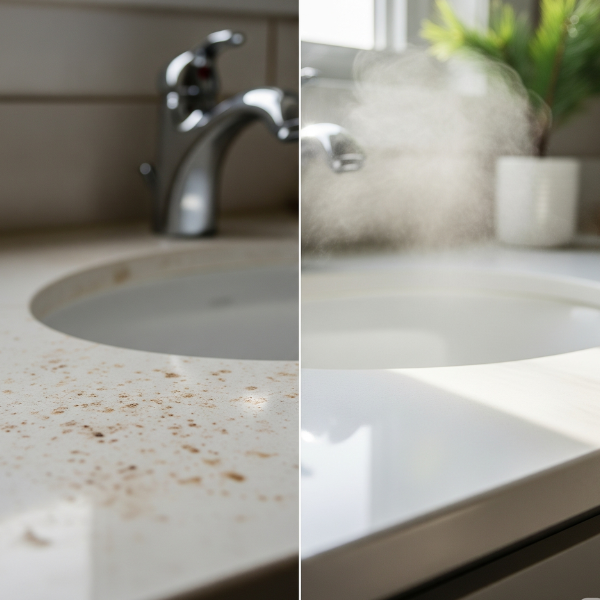
Patios, driveways, and outdoor furniture benefit from pine gel cleaning. The natural oils help protect surfaces whilst cleaning, and the scent deters insects from gathering. Use 1:20 dilution for large outdoor areas.
5. Pet Area Cleaning
Pine gel neutralises pet odours effectively without being harsh on animal-safe surfaces. Many pet owners find it more effective than specialised pet cleaners, plus it’s generally safer if pets come into contact with cleaned surfaces.
6. Laundry Pre-treatment
For heavily soiled work clothes or sports gear, pine gel works as an excellent pre-treatment. Apply undiluted to stains, let sit for 30 minutes, then wash normally. Particularly effective on grass stains and general outdoor grime.
7. General Deodorising
Add pine gel to spray bottles with water for quick deodorising of bins, carpets, or any area needing freshening. The natural pine oils neutralise odours rather than just masking them.
Each application requires different dilution ratios, but that’s the beauty of working with concentrates – you control the strength based on the task at hand.
Does pine gel keep flies away?
Yes, pine gel definitely helps deter flies, and this isn’t just wishful thinking – there’s solid science behind it. We’ve observed this effect countless times in both residential and commercial settings, particularly during warmer months when fly problems typically worsen.
Flies hate the terpenes found in pine oil, specifically alpha-pinene and beta-pinene compounds. These natural chemicals interfere with flies’ sensory systems, making treated areas less attractive for landing and feeding. It’s similar to how citronella works against mosquitoes, but pine oil affects a broader range of flying insects.
The effectiveness depends heavily on concentration and application method. For fly deterrence, we recommend slightly stronger dilutions than regular cleaning – about 1:15 rather than 1:30. Cleaning door frames, window sills, and areas where flies typically enter creates an invisible barrier that discourages them from settling.
Best Application Methods for Fly Control:
- Clean surfaces where flies commonly land (kitchen counters, bin areas, pet feeding stations)
- Wipe down exterior door frames and window frames
- Add to mop water for floors in areas where flies gather
- Use in spray bottles for quick treatment of problem areas
We’ve noticed the deterrent effect lasts longer on porous surfaces compared to smooth ones. Wooden surfaces seem to hold the pine oil residue for several days, maintaining the deterrent properties. Glass and metal surfaces need more frequent re-treatment.
The concentration matters significantly. Too weak and you get cleaning benefits without pest control; too strong and the smell becomes overwhelming for humans too. We’ve found the sweet spot is usually around 30-40ml pine gel per litre of water specifically for fly deterrence applications.
One limitation worth mentioning – pine gel works better as a deterrent than an active killer. It prevents flies from wanting to be in treated areas rather than eliminating existing populations. For severe infestations, you’d need additional control measures alongside the pine gel treatment.
Regular cleaning with pine gel as part of your routine creates cumulative deterrent effects. Surfaces build up microscopic pine oil residues that maintain the deterrent properties between cleaning sessions.
Can I wash my body with pine gel?
This question comes up more often than you’d expect, usually from people who’ve run out of shower gel or are curious about natural alternatives. The short answer is that while pine gel won’t harm you in diluted form, it’s not designed for body washing and there are better alternatives for personal hygiene.
Pine gel is formulated for surface cleaning, which means it contains surfactants and potentially other additives that aren’t optimised for skin contact. The pH levels in cleaning-grade pine gel can be more alkaline than what’s comfortable for skin, potentially causing dryness or irritation with regular use.
Safety Considerations:
- Always dilute significantly if using on skin (1:50 or weaker)
- Avoid contact with eyes and sensitive areas
- Don’t use on broken or irritated skin
- Rinse thoroughly after any contact
- Never use undiluted pine gel on your body
When It Might Be Acceptable:
- Emergency situations where no alternatives exist
- Washing very dirty hands after outdoor work
- Quick rinse-off after contact with particularly stubborn substances
We’ve heard from clients who’ve used heavily diluted pine gel for washing extremely dirty work clothes while still wearing them (think mechanics or gardeners), but this is quite different from regular bathing. The pine oil can actually help remove stubborn greases and odours that regular soap struggles with.
Better Alternatives: If you like the pine scent and natural properties, look for personal care products that contain pine oil specifically formulated for skin use. These products balance the beneficial properties of pine with appropriate pH levels and skin-conditioning ingredients.
For outdoor enthusiasts or workers who get particularly dirty, some pine-based hand soaps are available that combine the degreasing power with skin-safe formulations. These are specifically designed for heavy-duty hand washing rather than full body use.
The bottom line is that while diluted pine gel won’t hurt you occasionally, it’s not designed for regular body washing. Contact cleaning product specialists for advice on pine-based personal care alternatives if you’re interested in natural pine oil benefits for personal hygiene.
Does pine gel keep cockroaches away?
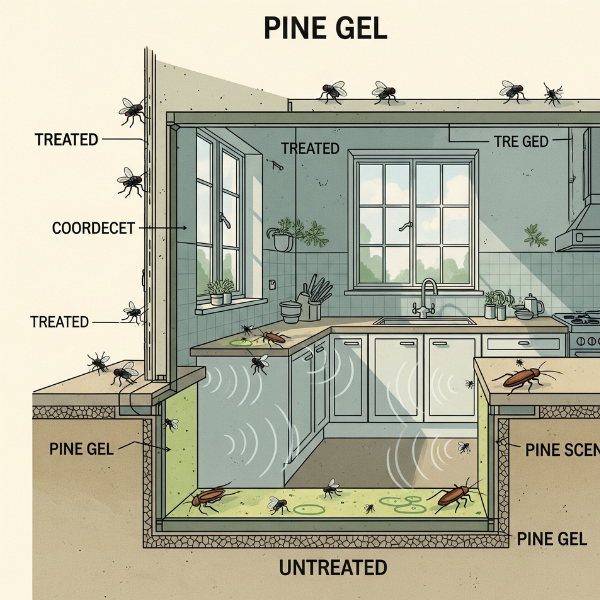
Cockroaches absolutely despise pine gel, making it one of the most effective natural deterrents we’ve encountered for these persistent pests. We’ve seen dramatic reductions in cockroach activity in homes and businesses after implementing regular pine gel cleaning routines, particularly in kitchens and bathroom areas where these insects typically thrive.
The science behind this effectiveness relates to cockroaches’ highly sensitive sensory systems. Pine oil contains compounds that interfere with their ability to detect food sources and navigate effectively. Unlike mammals, insects process scent molecules through different pathways, and pine terpenes essentially overwhelm their sensory capabilities.
Strategic Application for Cockroach Control:
Kitchen Areas: Focus on cleaning behind appliances, inside cupboards, and around sinks where cockroaches seek moisture and food residues. Use a 1:20 dilution and ensure you get into crevices where they hide during daylight hours.
Bathroom Maintenance: Cockroaches need water sources, so regular pine gel cleaning of bathroom floors, particularly around toilets and showers, creates an environment they’ll avoid. Pay special attention to areas under sinks and behind fixtures.
Entry Points: Wipe down potential entry areas like gaps around pipes, door frames, and window sills. The pine oil residue creates a barrier that discourages exploration of these access routes.
Storage Areas: Pantries and storage rooms benefit from monthly pine gel treatment. Clean shelves, floors, and wall areas where cockroaches might establish hiding spots.
The deterrent effect builds over time with consistent use. We typically recommend starting with stronger concentrations (1:15 dilution) for the first month, then maintaining with regular cleaning at normal strengths. This establishes the deterrent barrier and then maintains it.
Effectiveness Timeline:
- Week 1-2: Reduction in visible cockroach activity
- Week 3-4: Significant decrease in signs (droppings, damage)
- Month 2+: Long-term deterrent effect with regular maintenance
One major advantage of pine gel over chemical pesticides is safety around children and pets. You’re creating an environment cockroaches don’t want to be in, rather than using toxic substances that could affect your family’s health.
The gel consistency is particularly valuable for cockroach deterrence because it adheres to surfaces longer than liquid cleaners. This extended contact time means the pine oil compounds have more opportunity to create lasting deterrent effects on the treated surfaces.
What are the disadvantages of pine gel?
Like any cleaning product, pine gel has limitations and potential drawbacks that you should understand before committing to it as your primary cleaning solution. We always believe in honest assessments – no product is perfect for every situation or every person.
Scent Sensitivity Issues: While most people love the pine scent, some individuals find it too strong or develop sensitivities over time. People with respiratory conditions like asthma might find concentrated pine oil vapours irritating. The scent also lingers longer than synthetic fragrances, which can be problematic in poorly ventilated spaces.
Surface Compatibility Limitations: Pine gel isn’t suitable for all surfaces. Natural stone like marble can be damaged by the mild acidity, and some unsealed wood surfaces might absorb too much pine oil, leading to discolouration. Always test on inconspicuous areas first, especially on expensive or delicate surfaces.
Concentration Complexity: Getting dilution ratios wrong is easier than with pre-mixed cleaners. Too weak and you get poor cleaning results; too strong and you waste product whilst potentially creating sticky residues. New users often struggle with finding the right balance for different cleaning tasks.
Limited Availability: Quality pine gel isn’t available in every supermarket like standard cleaning products. You often need to source it from specialist cleaning suppliers or industrial supply companies, which can be inconvenient for some users.
Staining Potential: Undiluted pine gel can leave yellowish stains on light-coloured fabrics or porous surfaces. This is particularly problematic if you accidentally spill concentrate on clothing or unsealed concrete.
Cost Perception: While economical long-term, the upfront cost of quality pine gel concentrate can seem expensive compared to supermarket cleaners. Some people struggle with paying R 125 for a 5-litre container, even though it provides months of cleaning solution.
Mixing Requirements: Unlike ready-to-use products, pine gel requires preparation time. You need appropriate containers for dilution and must remember to mix fresh solutions regularly. Some people prefer the convenience of grab-and-go cleaning products.
Environmental Persistence: While generally environmentally friendly, pine oil residues can persist in water systems longer than some synthetic alternatives. This isn’t necessarily harmful, but it’s worth considering for those trying to minimise all environmental impacts.
Seasonal Effectiveness Variation: Pine gel’s pest deterrent properties work better in warm weather when insects are more active. During colder months, you might not notice the pest control benefits as clearly, making it seem less valuable.
Understanding these limitations helps you make informed decisions about whether pine gel suits your specific cleaning needs and household requirements.
Can I wash my car with pine gel?
Yes, you can definitely wash your car with pine gel, and many professional detailers actually prefer it for specific applications. We’ve been using pine gel for vehicle cleaning for years, particularly for heavily soiled vehicles and commercial fleet maintenance where standard car shampoos struggle with stubborn grime.

Pine gel excels at cutting through road grime, tree sap, bird droppings, and the general accumulation of dirt that builds up on vehicles. The natural degreasing properties work particularly well on wheel wells, undercarriages, and engine bay areas where standard car washes might not be sufficient.
Proper Dilution for Vehicle Washing:
- Light cleaning: 1:50 dilution (20ml per litre of water)
- Standard washing: 1:30 dilution (35ml per litre of water)
- Heavy grime removal: 1:20 dilution (50ml per litre of water)
- Wheel and tyre cleaning: 1:15 dilution for stubborn brake dust
Application Method: Use the two-bucket method – one bucket with pine gel solution, another with clean rinse water. Start from the top and work downwards, rinsing your wash mitt frequently. The gel consistency means it clings to dirt longer than liquid shampoos, giving more time for the cleaning agents to break down stubborn deposits.
Where Pine Gel Shines on Vehicles:
- Removing tree sap and organic deposits that standard shampoos struggle with
- Cleaning wheel wells and undercarriage areas where road salt and grime accumulate
- Engine bay cleaning (avoiding electrical components) where degreasing power is needed
- Interior plastic and rubber surfaces that need both cleaning and conditioning
Precautions for Vehicle Use:
- Always test on an inconspicuous area first, particularly on painted surfaces
- Avoid using in direct sunlight or on hot surfaces
- Don’t let the solution dry on paintwork – work in sections and rinse frequently
- Be cautious around delicate trim pieces or aftermarket modifications
Surface Considerations: Pine gel works brilliantly on most modern car paints, but exercise extra caution with matte finishes or specialty coatings. The natural oils can enhance gloss on standard paint finishes, but might alter the appearance of matte surfaces.
Environmental Benefits: Using pine gel for car washing means fewer synthetic chemicals going down storm drains. The biodegradable nature makes it more environmentally responsible than many commercial car cleaning products.
Cost Effectiveness: A 5-litre container of pine gel concentrate can provide months of car washing solution, making it significantly more economical than buying individual bottles of car shampoo.
For regular maintenance washing, pine gel provides excellent results whilst being gentler on both your vehicle and the environment compared to harsh detergents.
Frequently Asked Questions
Q: How long does pine gel last once mixed with water?
A: Mixed pine gel solutions maintain effectiveness for about 2-3 weeks if stored in clean containers away from direct sunlight. However, we recommend mixing smaller batches more frequently for optimal cleaning power.
Q: Is pine gel safe around children and pets?
A: When properly diluted, pine gel is generally safe around children and pets. The natural formulation contains fewer harsh chemicals than many synthetic cleaners. However, always store concentrates safely and avoid direct contact with undiluted product.
Q: Can pine gel damage septic systems?
A: No, pine gel is actually beneficial for septic systems. The natural pine oils can help control odours and the biodegradable formula won’t disrupt beneficial bacteria like some harsh chemical cleaners might.
Q: Does pine gel expire?
A: Properly stored pine gel concentrate has a shelf life of 2-3 years. Look for changes in consistency, colour, or scent that might indicate degradation. Store in cool, dry conditions away from extreme temperatures.
Q: Can I mix pine gel with other cleaning products?
A: We don’t recommend mixing pine gel with other cleaning chemicals, particularly bleach or ammonia-based products. The interactions could reduce effectiveness or create unwanted reactions.
Q: Why does my pine gel cleaning solution sometimes feel sticky?
A: Sticky residues usually indicate too high a concentration or insufficient rinsing. Reduce the pine gel ratio and ensure thorough rinsing after cleaning. Hard water can also contribute to residue buildup.
Q: Is pine gel effective in cold water?
A: Pine gel works in cold water, but warm water enhances its cleaning effectiveness by helping dissolve oils and improving surfactant action. For best results, use water around 40-50°C when possible.
Q: Can pine gel remove stubborn stains?
A: Pine gel works well on organic stains, grease, and general grime. For specific stains like red wine or blood, you might need specialised stain removers followed by pine gel cleaning for overall surface treatment.
Reference: For more information about pine gel products and professional cleaning solutions, visit Ntobi Cleaning Services or check their location on Google Maps for local availability in the Boksburg area.


Leave a Reply